
Numismatic Collection
A curated collection of historical coins spanning over 1,400 years of Islamic and pre-Islamic monetary history — from the Roman Empire to the Ottoman Caliphate. Each coin is categorised according to its relation to the Prophetic era or the Post-Prophetic era of Islamic civilisation.
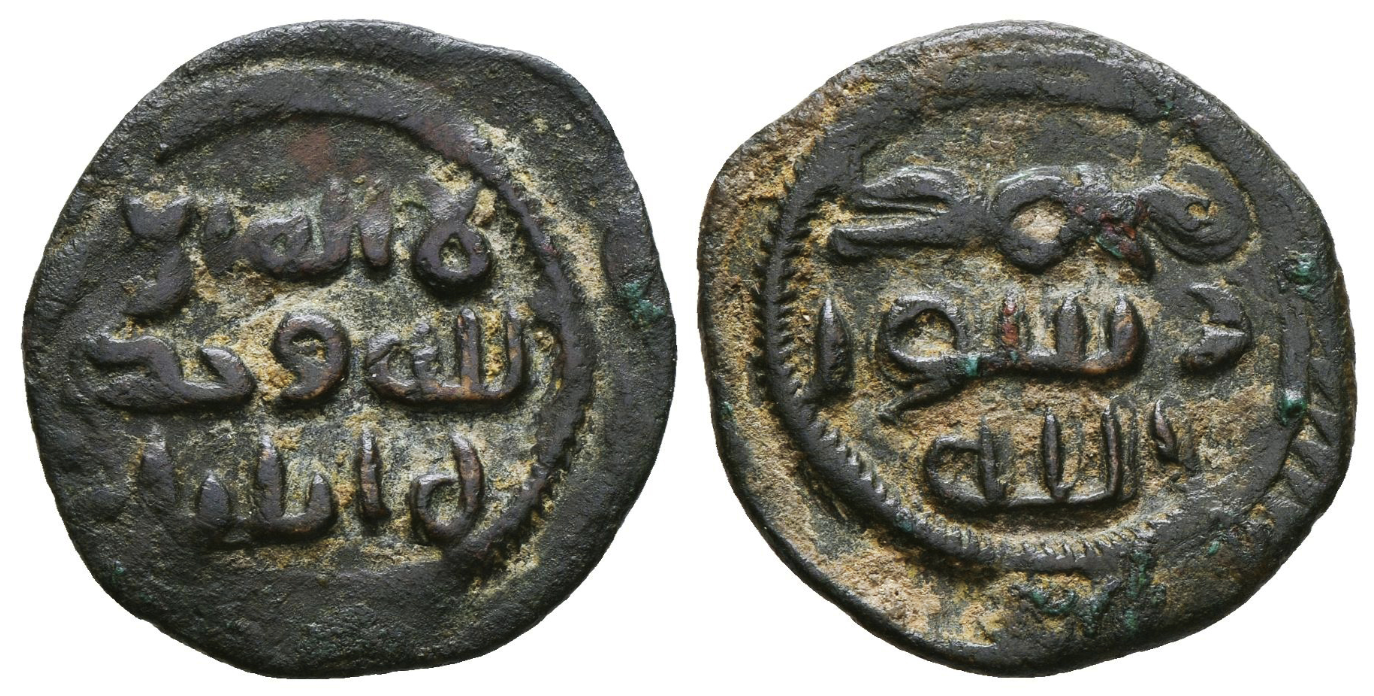
Umayyad Caliphate, Anonymous, AE Fals, 3.22g, circa 700–750 CE, Iliya (Jerusalem)
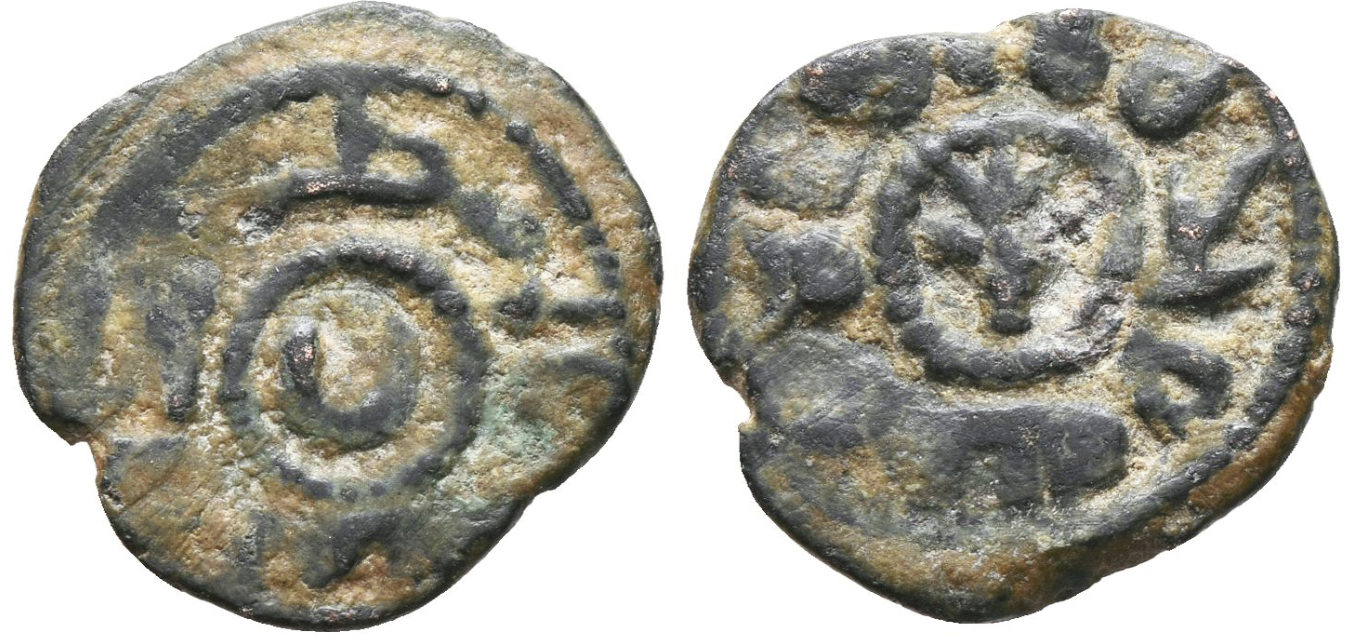
Umayyad Caliphate, Anonymous, AE Fals, 2.00g, Al-Ramla mint (Palestine), stylised Twig and Crescent (circa 710s CE)
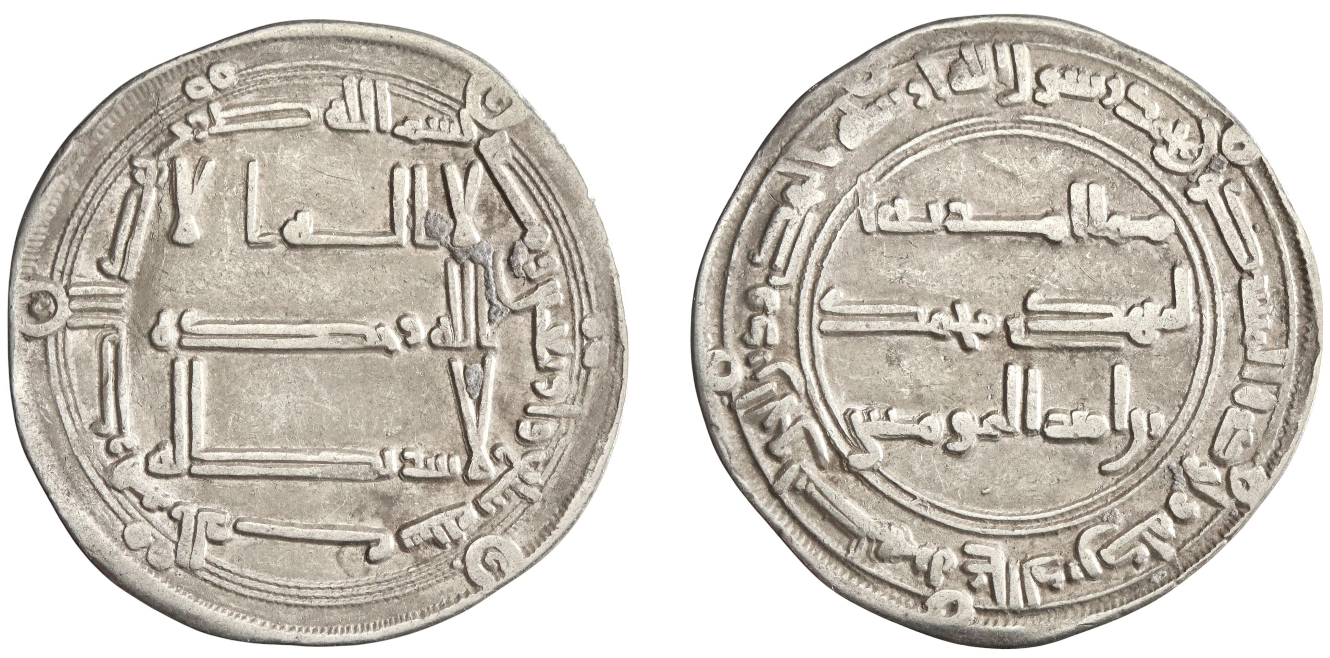
Abbasid: al-Mansur (754–775 CE), AR Dirham, 2.82g, al-Rayy, 147 AH (764–765 CE). Citing his son Muhammad al-Mahdi as his heir-apparent — Caliph al-Mansur's nephew, Isa ibn Musa, was originally designated as heir-apparent in 754 CE but was forced to cede his right in 764 CE.
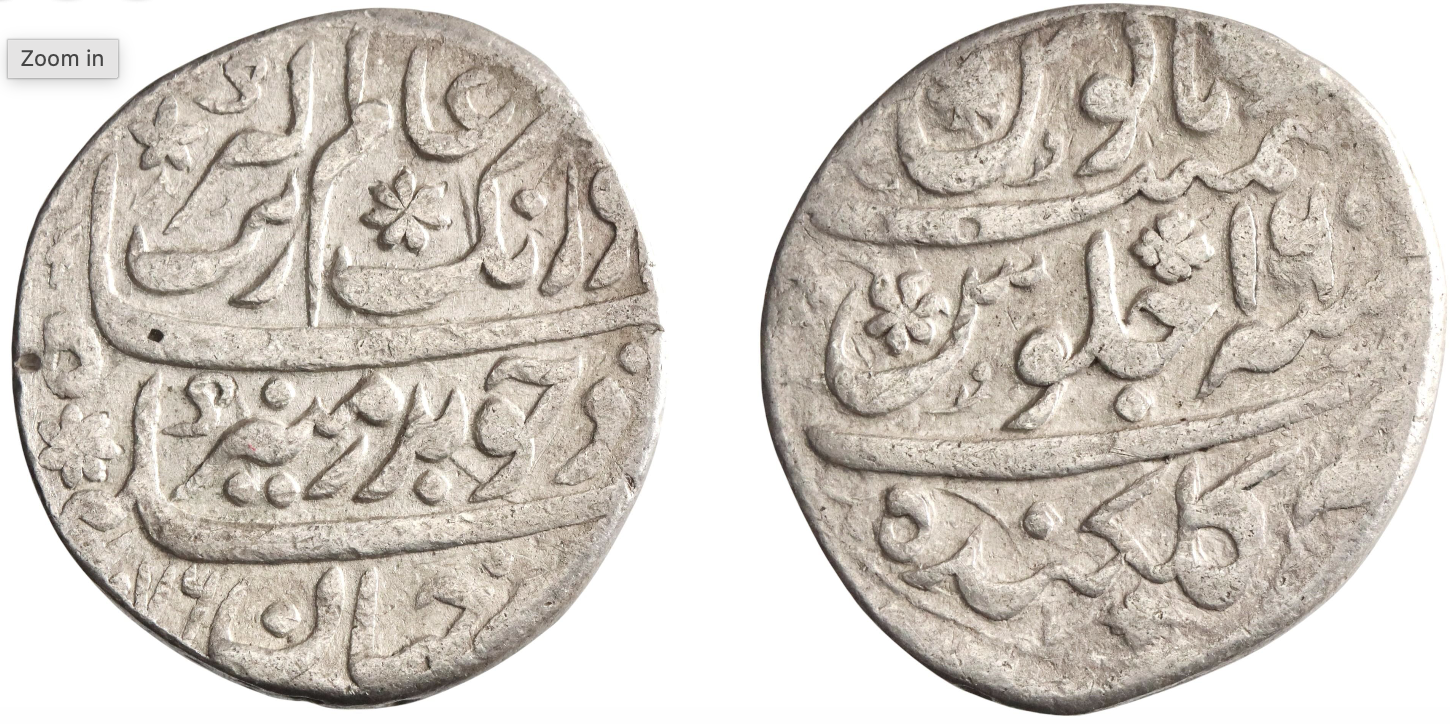
Mughal: Aurangzeb (1658–1707 CE), Silver Rupee, 10.71g, Gulkanda mint, 1076 AH / 1665–1666 CE. Aurangzeb's father and former emperor Shah Jahan, who commissioned the Taj Mahal, remained a captive in Agra Fort from 1658 CE until his death in 1666 CE.
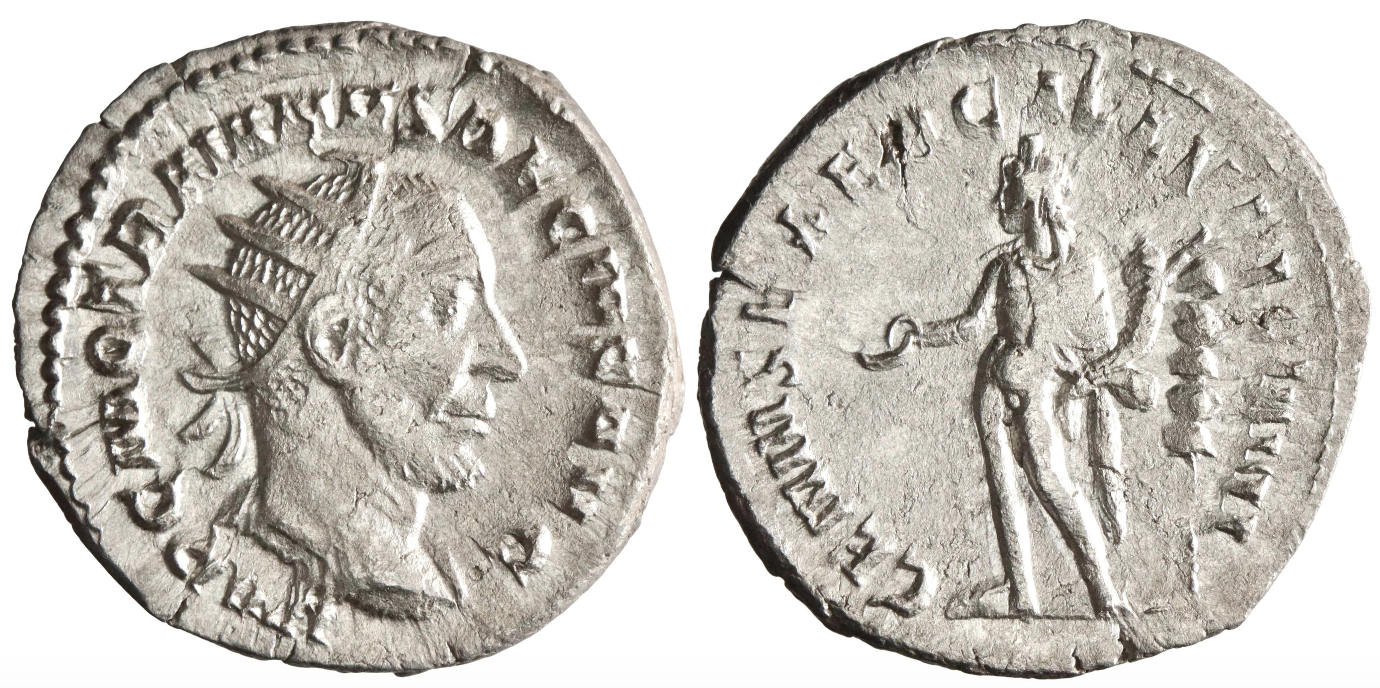
Roman Empire: Trajan Decius (249–251 CE), Silver Antoninianus, 3.68g, Rome mint. The Ashabul Kahfi (Companions of the Cave) hid in a cave to escape persecution from the pagan Roman emperor Trajan Decius circa 250 CE. This would have been a similar silver coin to the ones they had on them, as mentioned in Surah al-Kahf 18:19.
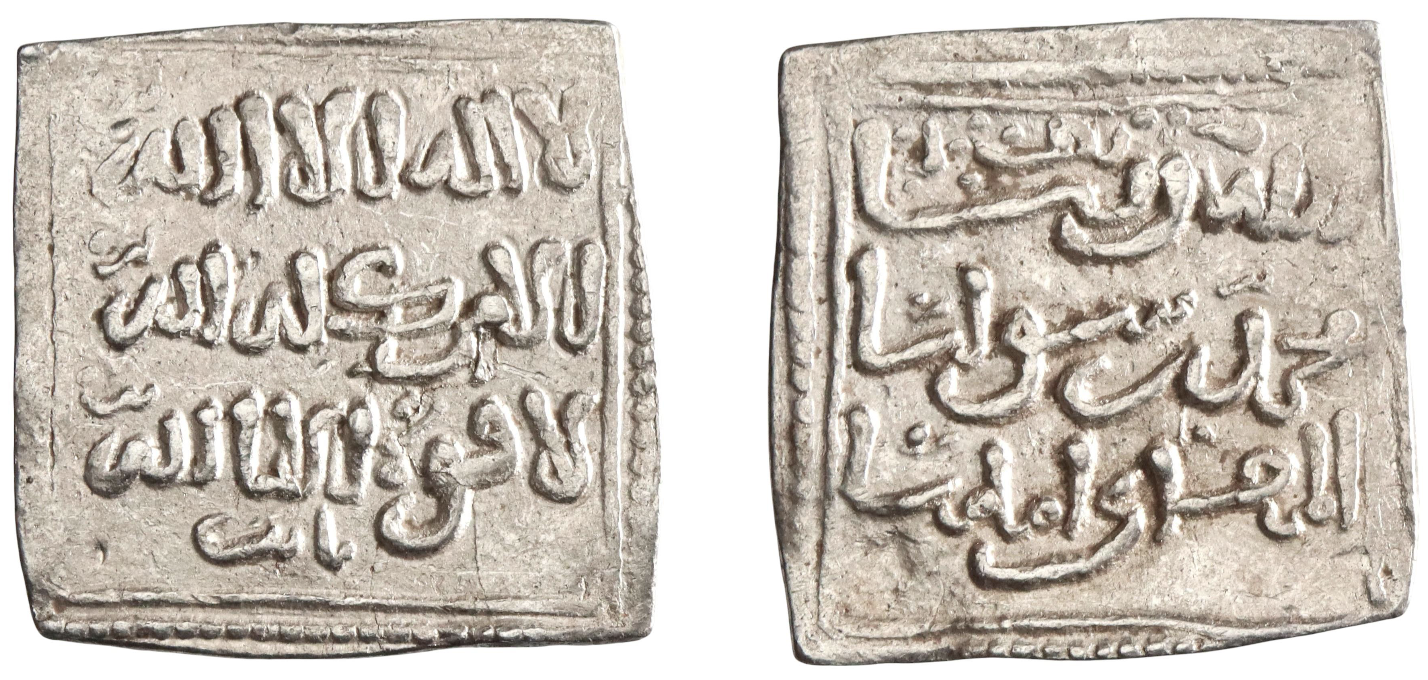
Almohad: Anonymous, silver square Dirham, 1.53g, Fas mint, 558–668 AH / 1163–1269 CE. Muhammad ibn Tumart claimed to be the awaited Mahdi and was the founder of the Almohad puritanical reform movement that led to an empire controlling modern-day Morocco and al-Andalus in southern Spain.
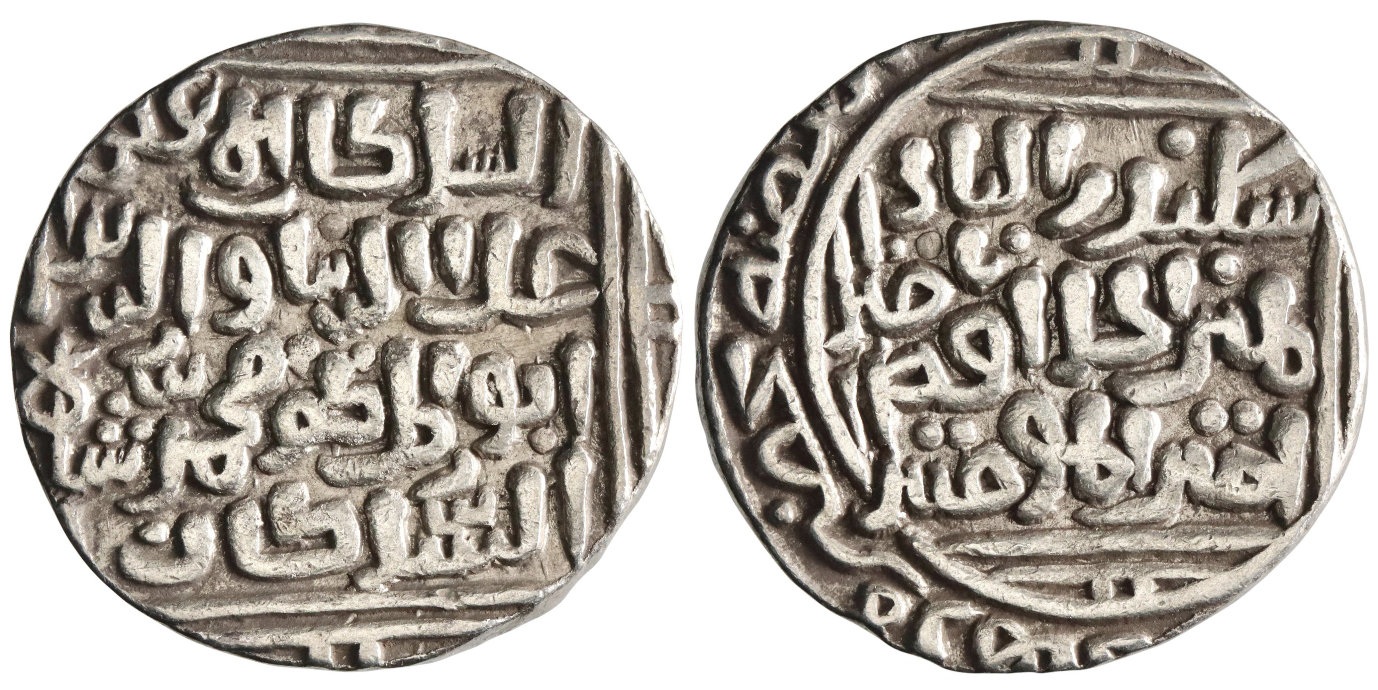
Delhi Sultanate: 'Ala al-Din Muhammad Khalji (1296–1316 CE), Silver Tanka, 10.99g, Hadrat Dehli (Delhi) mint. The ruler was cited as 'Sikandar al-Thani' — the Second Alexander the Great — as he was one of the most powerful rulers in Indian history.
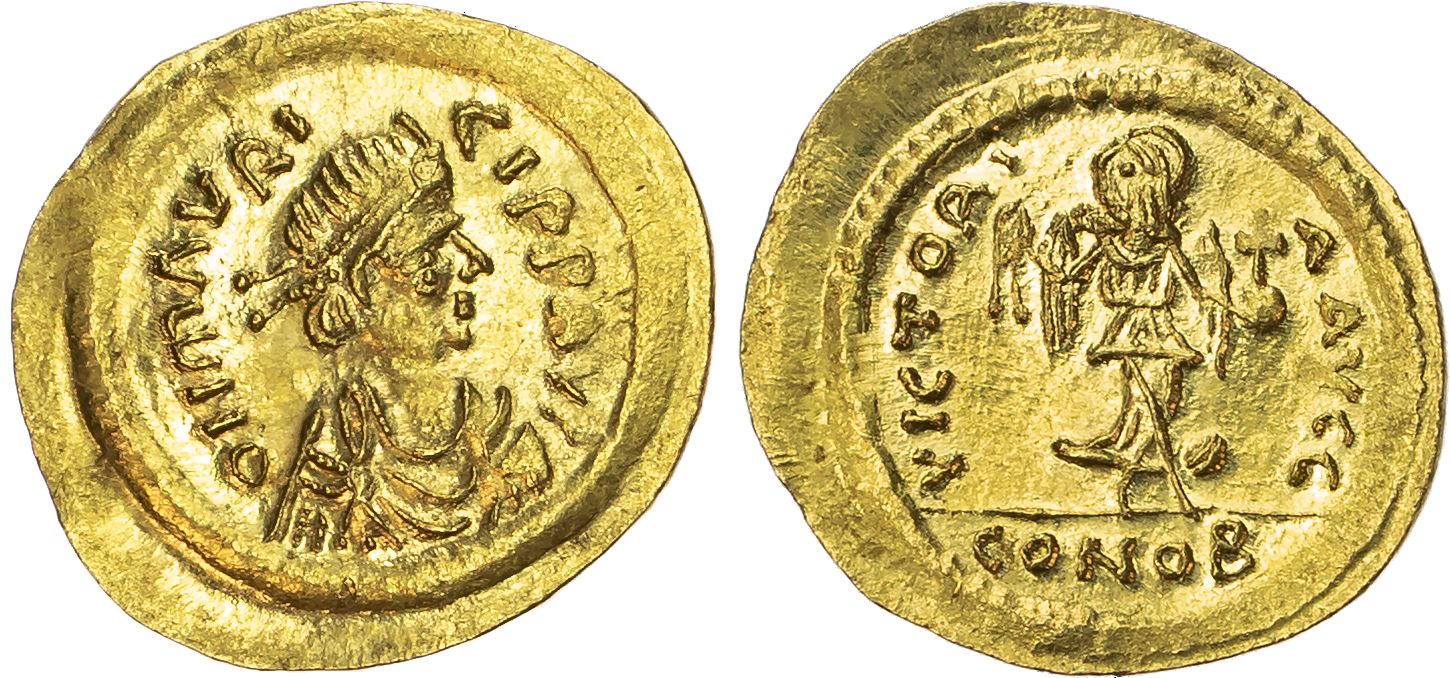
Byzantine Empire: Maurice Tiberius (582–602 CE), AV Semissis, 2.24g, Constantinople. The Semissis is a Nisfu (½ Dinar) denomination that would have been in circulation during the Prophetic era.
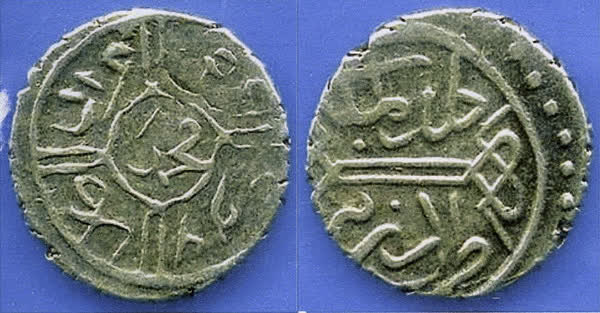
Ottoman Empire: Silver Akçe of Sultan Mehmed the Conqueror (Muhammad al-Fatih, 1444–1481 CE), 0.96g, Edirne mint, 855 AH (1451 CE). The Silver Akçe was the main currency of the Ottomans and would have been in circulation during the fall of Constantinople in 1453 CE.
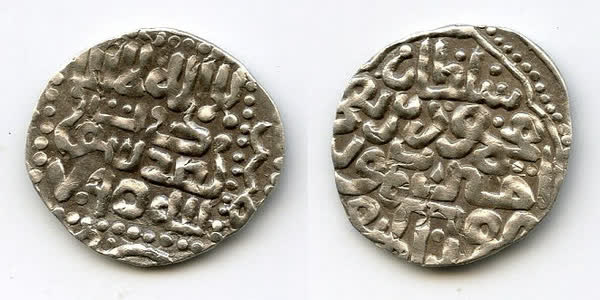
Timurid Empire: Silver (AR) Miri of Amir Timur (1370–1405 CE) with nominal overlord Mahmud Khan, 790 AH (1388 CE), 1.08g, Samarkand. Amir Timur never lost a battle across 27 military campaigns during his 35-year rule. He fell ill and died en route during a winter campaign to conquer Ming China.
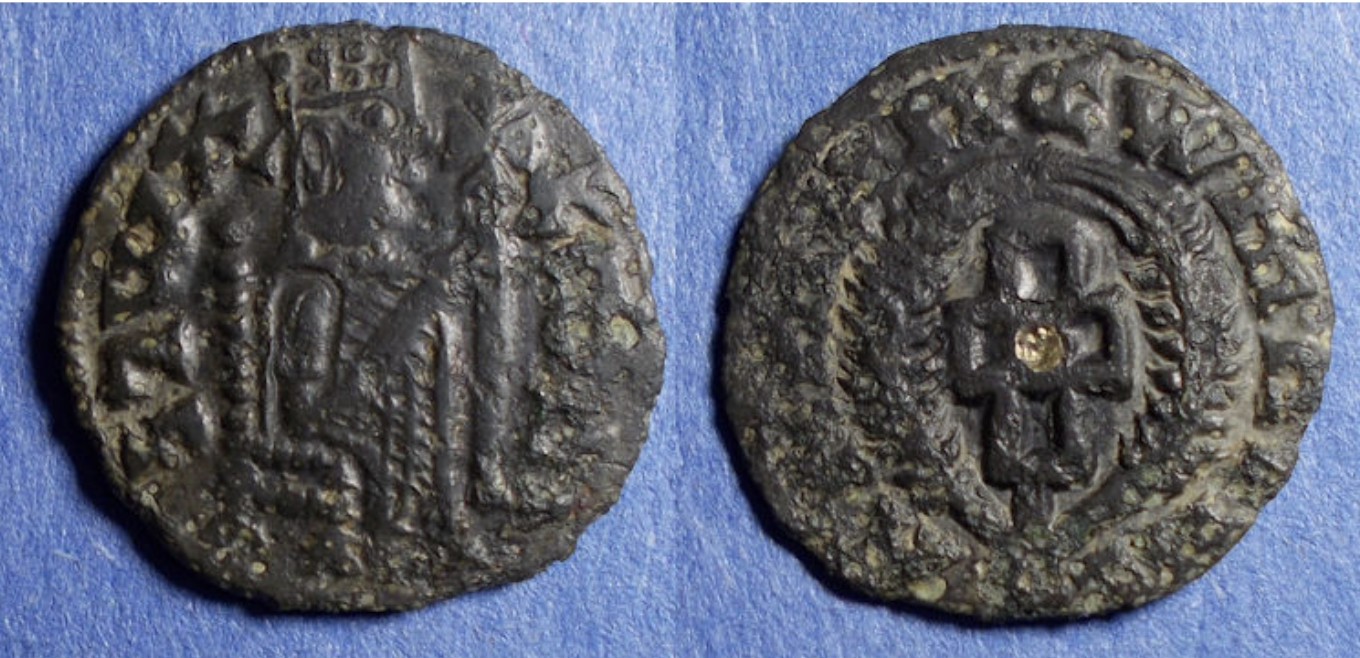
Kingdom of Axum: Bronze unit, 2.16g, circa 614–631 CE, 'King Armah' in Ge'ez. Armah was the Najashi who gave refuge to the delegation of Muslims led by Ja'far ibn Abi Talib during the First Hijrah to Abyssinia circa 615 CE. The Prophet (peace be upon him) later offered the very first Islamic funeral prayer in absentia for the Najashi after his death in 631 CE.
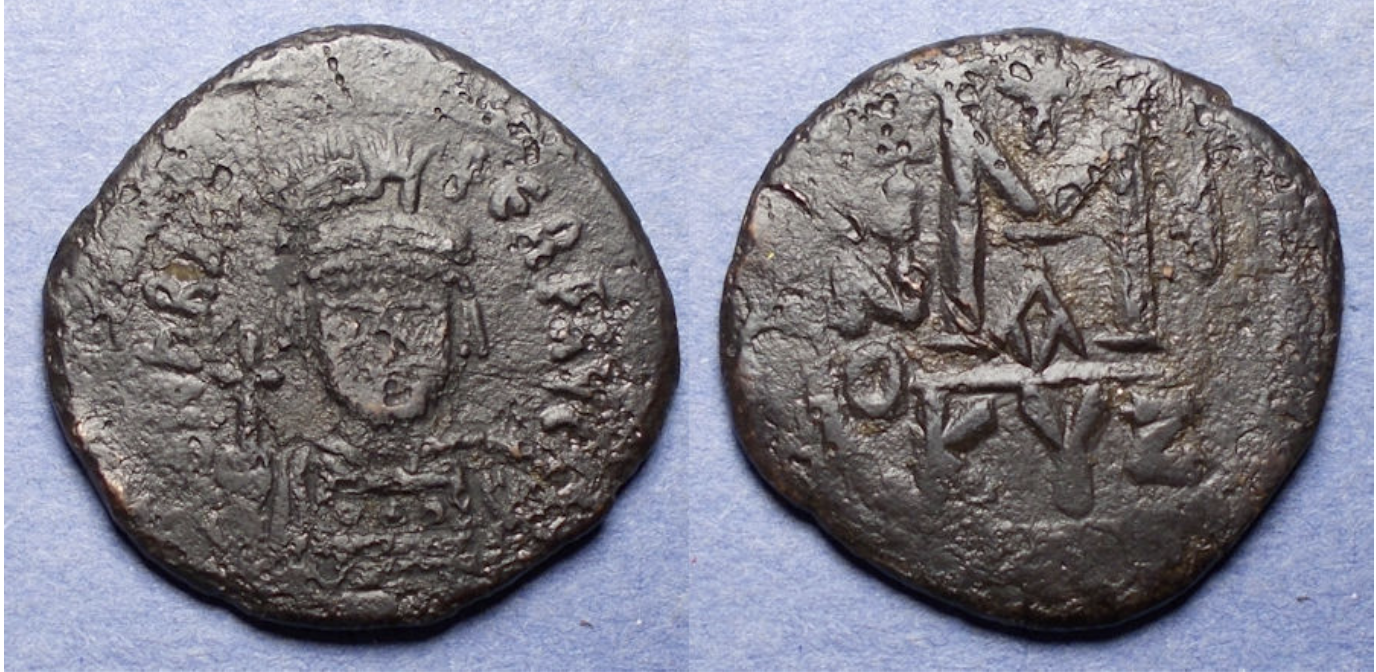
Byzantine Empire, Heraclius (610–641 CE), Bronze Follis, 10.43g, Kyzikos mint. Issued in 612–613 CE and in circulation when Heraclius met with Abu Sufyan in Iliya (Jerusalem), as recorded in Sahih al-Bukhari (Hadith 7, 2940), circa 629 CE — to enquire about the Prophet who had invited him to Islam in 628 CE.
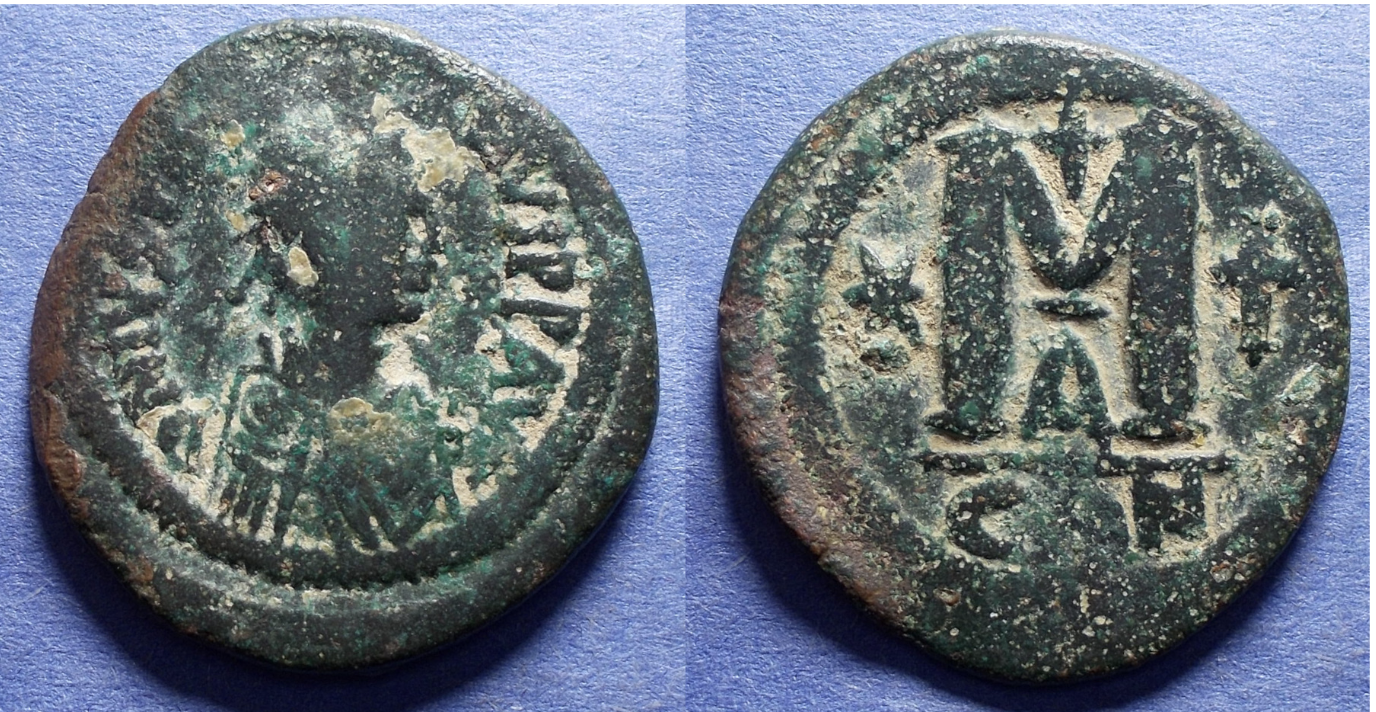
Byzantine Empire, Justinian I (527–565 CE), Bronze Follis, 16.11g, Constantinople. Issued from 527–538 CE and would have been in circulation when the Ashabul Kahfi (Companions of the Cave) awoke from their 309-year-long sleep.
About This Collection
This numismatic collection documents authentic coins from dynasties and empires that shaped Islamic monetary history. The collection is classified into two categories: coins contemporaneous with or preceding the Prophetic era (pre-632 CE), and coins from the Post era of Islamic civilisation.
Each piece is an archaeological witness to history — connecting numismatic scholarship with Quranic narrative, Hadith, and the broader story of Islamic civilisation from its earliest roots to the Ottoman period.
Coinage & Islamic History
The Islamic Gold Dinar and Silver Dirham represent a monetary tradition rooted in Divine guidance. The Prophet (peace be upon him) defined the Dinar and Dirham by weight.
The study of historical coinage offers a tangible bridge between textual sources and the material world of early Muslim civilisation — illuminating trade routes, political authority, and the spread of Islamic thought across three continents.